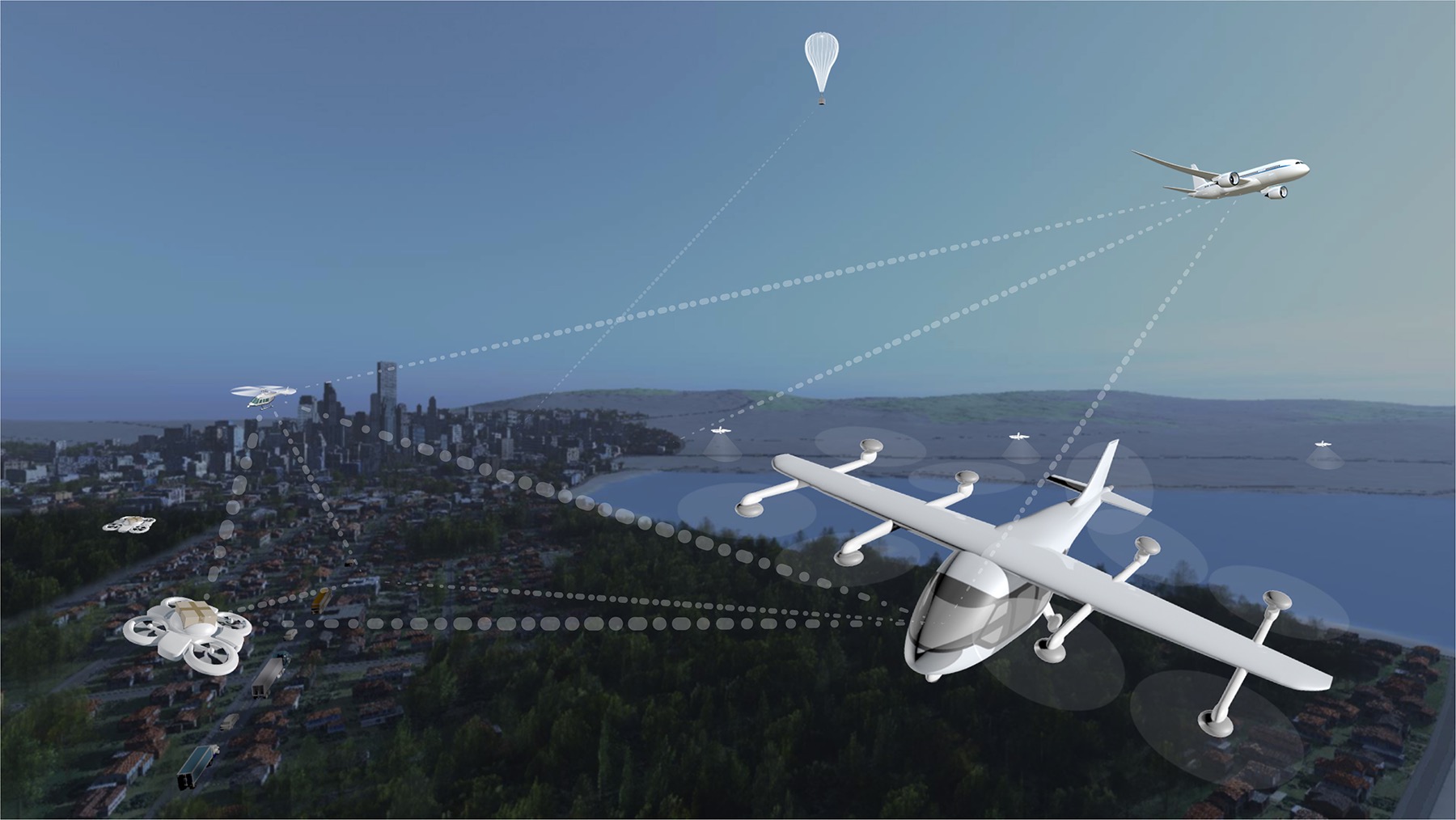
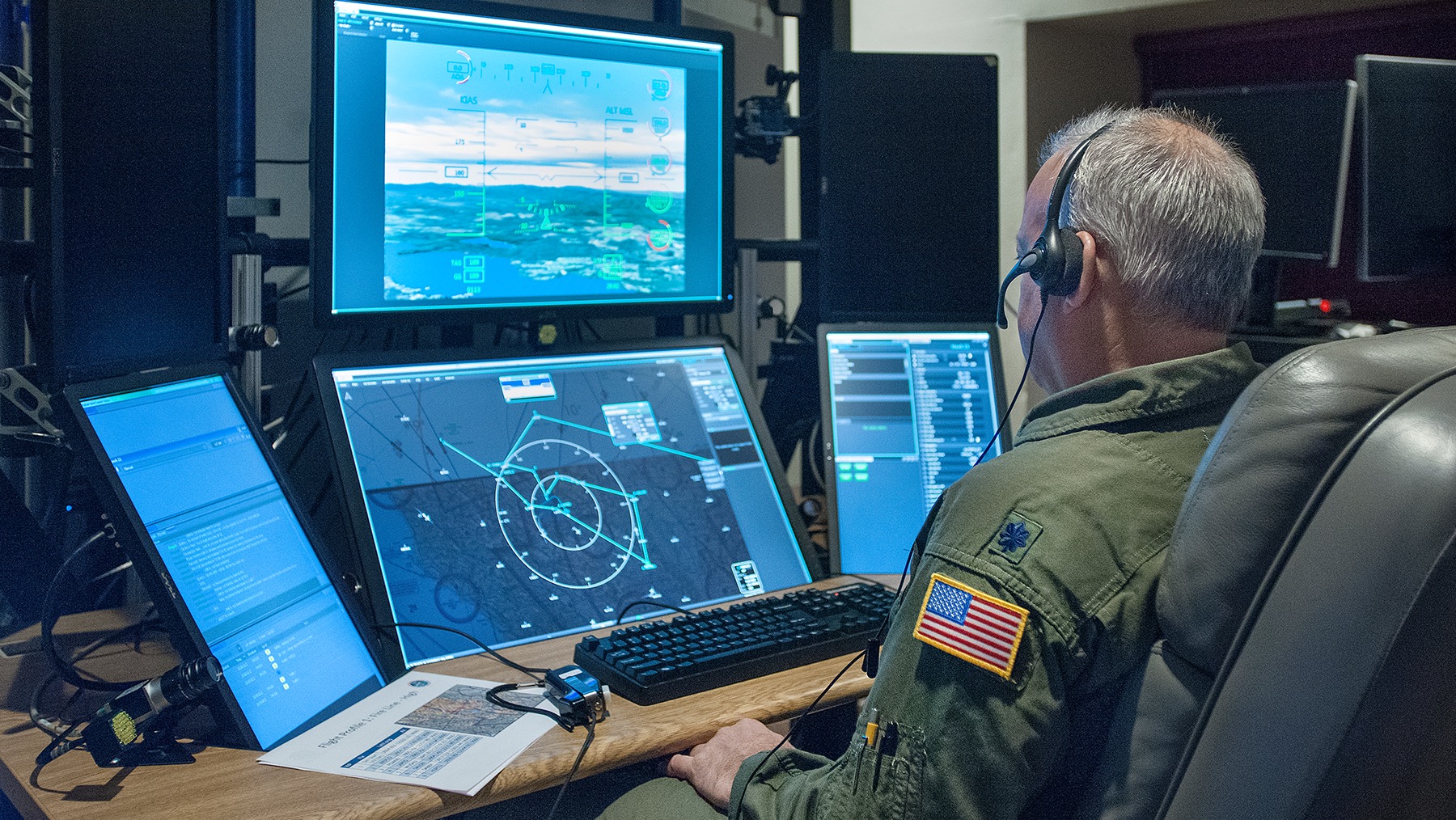
NASA Ames is developing the technologies to address the challenges in autonomous flight and energy storage
Intelligent Systems
The Intelligent Systems Division provides leadership in information technology for NASA by conducting mission-driven, user-centered computational sciences research, developing and demonstrating innovative technologies, and transferring these new capabilities for utilization in support of NASA missions.
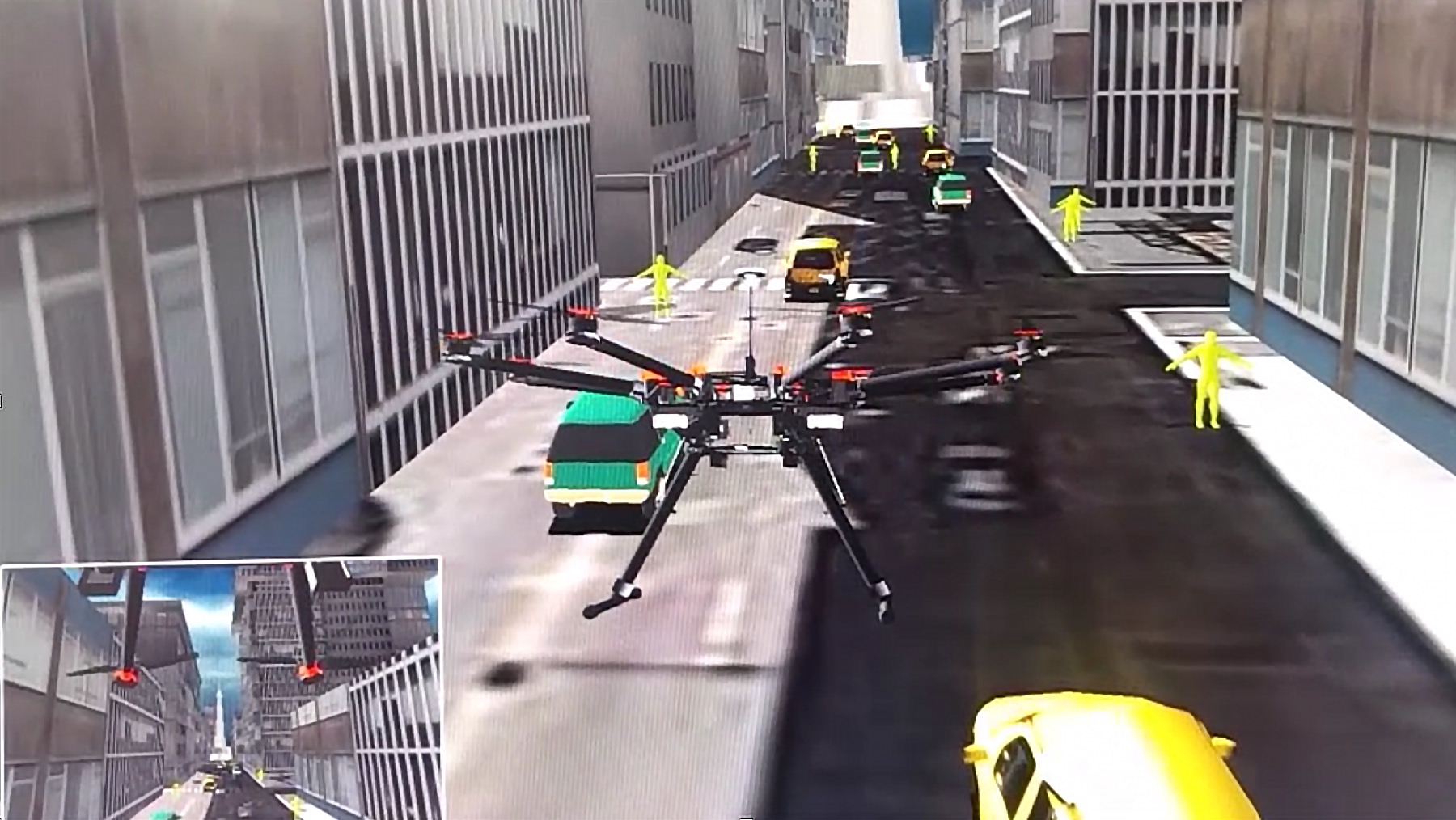
The most difficult phase of small UAS (Unmanned Aerial System) deployment is autonomous operations below 50 feet in urban landscapes. Understanding the feasibility of safely flying small UAS autonomously below 50 feet is a game changer for many civilian applications. NASA’s research and development in this field, named SAFE50, will substantially improve the use of small UAS, and positively impact the growth of this technology.
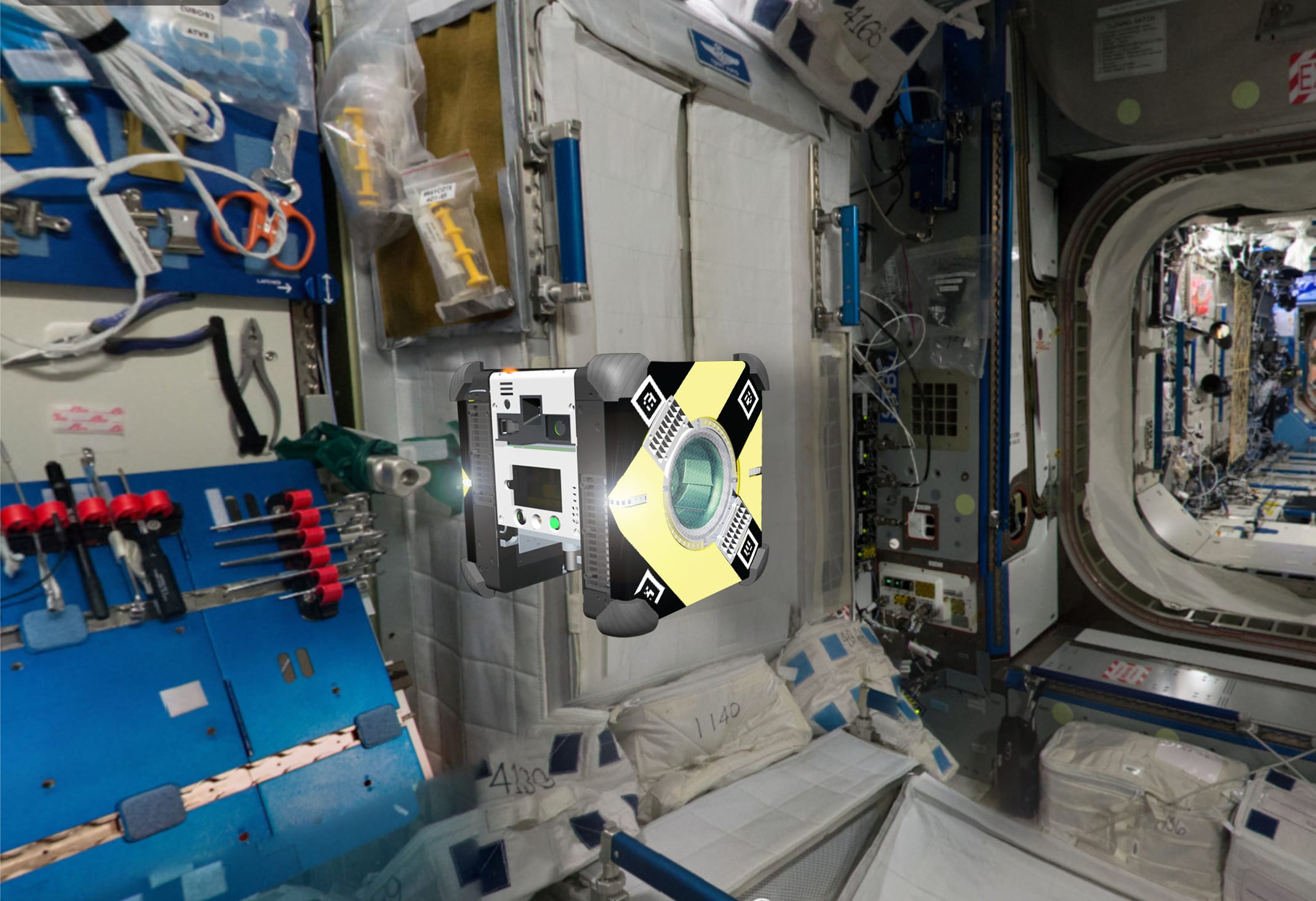
The Autonomous Systems and Robotics (ASR) technical area of Intelligent Systems, is making critical advancements in novel system architectures, algorithms, and software tools. These new technologies function as advisors, advanced automation, and autonomous agents that are capable of adapting to changing conditions, knowledge, and constraints.
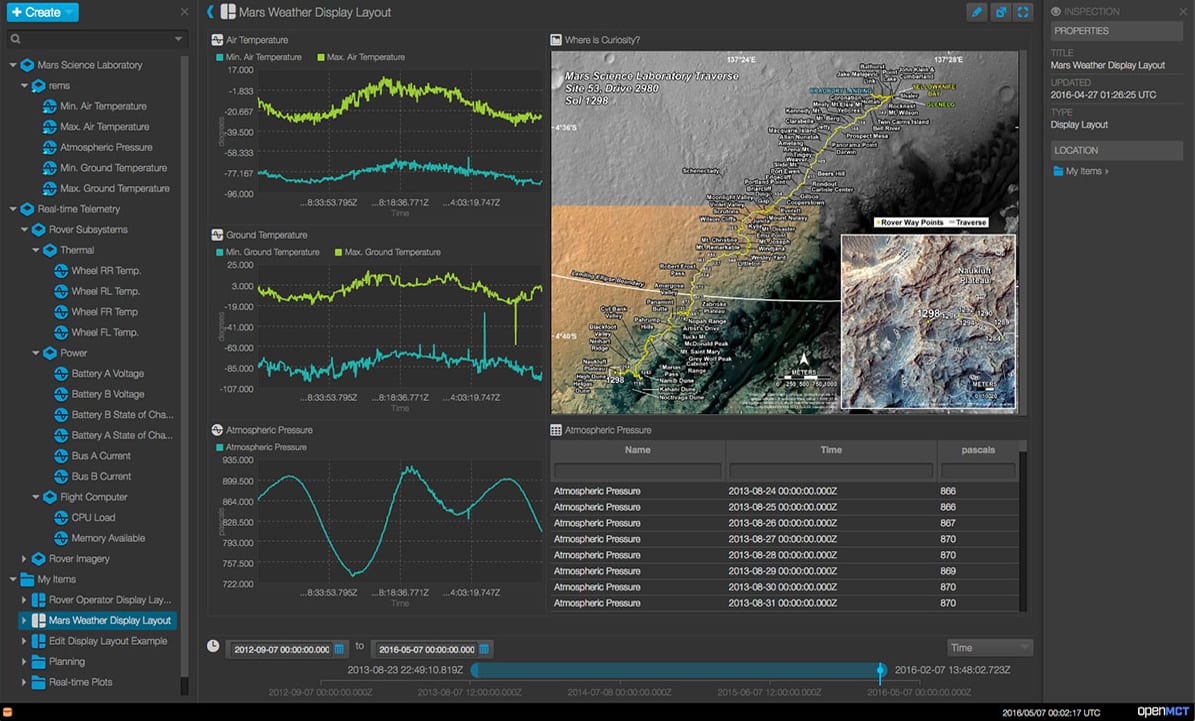
Discovery and Systems Health (DaSH) is a technical area supporting the Intelligent Systems Division, and focuses on understanding, modeling, and reasoning with engineering systems and science data. The work is centered on the emerging systems engineering discipline of Integrated Systems Health Management.
The Human Systems Integration Division enables the development of complex aerospace systems through analysis and modeling of human performance and human-automation interactions to make dramatic improvements in safety, efficiency, and mission success.